





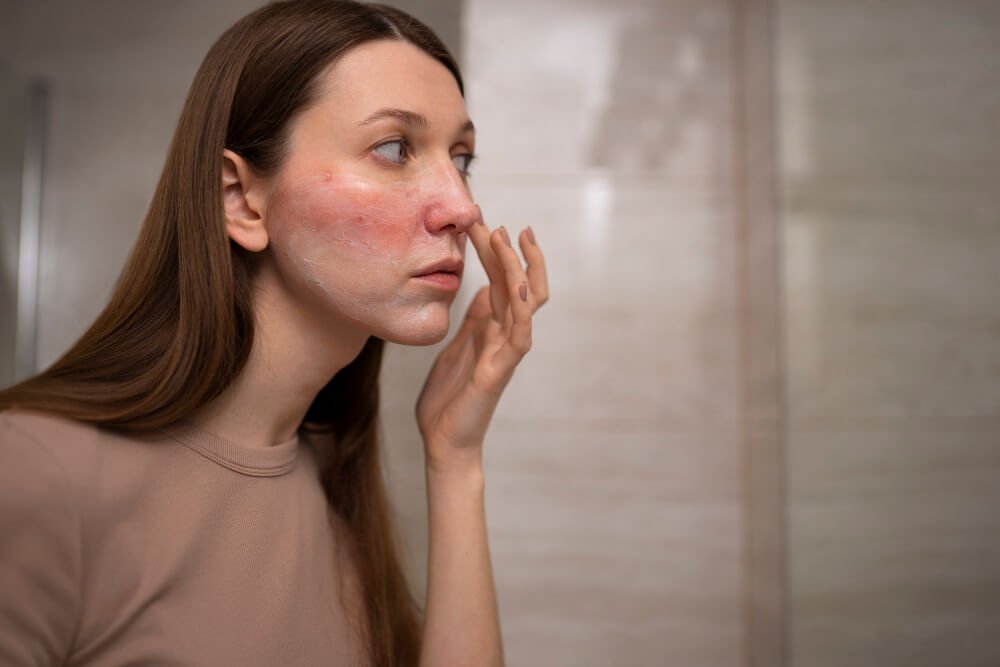
Introduction: When Your Face Speaks Before Your Heart Does
High cholesterol is often called a silent killer because it usually progresses without noticeable symptoms. Many people live with dangerously high cholesterol levels for years without realizing it—until a heart attack or stroke occurs.
However, in some cases, your face may display subtle warning signs that something is wrong internally. From changes around the eyes to unusual skin discoloration, these facial clues should never be ignored. Recognizing them early can help prevent serious cardiovascular complications.
What Is High Cholesterol?
Cholesterol is a waxy, fat-like substance found in your blood. Your body needs some cholesterol to function properly, but too much LDL (bad cholesterol) can cause fatty deposits to build up in your arteries.
According to Mayo Clinic, excess LDL cholesterol narrows arteries and reduces blood flow, significantly increasing the risk of heart disease and stroke.
Types of Cholesterol:
-
LDL (Low-Density Lipoprotein): “Bad” cholesterol that causes plaque buildup
-
HDL (High-Density Lipoprotein): “Good” cholesterol that helps remove LDL
-
Triglycerides: Another type of fat that increases heart risk when elevated
Why High Cholesterol Rarely Shows Symptoms
Unlike infections or inflammatory diseases, high cholesterol does not usually cause pain or discomfort in the early stages. Blood vessels gradually narrow over time, which is why many people remain unaware of the condition.
However, when cholesterol levels remain high for years, visible signs may start appearing on the skin and face, areas with delicate blood vessels and high circulation demand.
Facial Signs That May Indicate High Cholesterol
1. Yellowish Patches Around the Eyes (Xanthelasma)
Xanthelasma appears as soft, yellow plaques on or around the eyelids. These patches are made of cholesterol deposits beneath the skin.
Key facts:
-
Usually painless
-
Often symmetrical
-
Strongly associated with lipid disorders
Doctors consider xanthelasma one of the most recognizable physical signs of high cholesterol, especially when it occurs in younger individuals.
2. White or Grey Ring Around the Cornea (Arcus Senilis)
Arcus senilis looks like a grey or white ring surrounding the colored part of the eye.
-
Common in older adults
-
Concerning if seen before age 45
-
Can indicate elevated LDL levels
While arcus senilis alone does not confirm high cholesterol, its early appearance may warrant further testing.
3. Persistent Puffiness Around Eyes and Face
Unexplained facial swelling—especially around the eyes—may be linked to poor circulation or fat metabolism issues.
This symptom is often misattributed to:
-
Poor sleep
-
Allergies
-
Stress
But in some cases, cholesterol-related vascular changes can contribute to this puffiness.
4. Pale, Dull, or Uneven Facial Skin Tone
Reduced blood flow due to arterial narrowing can result in:
-
Pale or dull complexion
-
Uneven skin tone
-
Loss of natural glow
Healthy circulation is essential for oxygen and nutrient delivery to the skin. When cholesterol disrupts this process, the face may look tired or unhealthy.
5. Small Yellow Nodules on the Face or Neck
In rare cases, cholesterol can form xanthomas, which are small yellowish nodules under the skin.
-
Often associated with genetic high cholesterol
-
May appear on face, neck, elbows, or knees
-
Strong signal for immediate medical evaluation
Why the Face Shows Cholesterol Symptoms First
The face has:
-
Dense network of small blood vessels
-
Thin skin layers
-
High visibility
When cholesterol interferes with circulation, facial features become early indicators of internal vascular problems. This makes facial signs valuable early warnings rather than cosmetic concerns.
Who Is at Higher Risk?
You are more likely to develop high cholesterol if you have:
-
Family history of heart disease
-
Sedentary lifestyle
-
Obesity or overweight
-
Diabetes or insulin resistance
-
Smoking or excessive alcohol intake
-
Diet high in saturated and trans fats
Health organizations such as the American Heart Association recommend regular cholesterol screening for adults, even without symptoms.
When Should You Get Tested?
You should get a lipid profile blood test if:
-
You notice any facial signs mentioned above
-
You are above 30 years of age
-
You have high blood pressure or diabetes
-
You have a family history of heart problems
Early testing can help detect cholesterol imbalances before serious damage occurs.
How to Reduce High Cholesterol Naturally
Doctor-Recommended Lifestyle Changes
-
Eat fiber-rich foods (oats, fruits, vegetables, legumes)
-
Replace fried foods with grilled or steamed meals
-
Choose healthy fats (olive oil, nuts, seeds)
-
Exercise at least 30 minutes daily
-
Quit smoking
-
Limit alcohol intake
Lifestyle changes remain the first-line treatment for managing cholesterol.
Medical Treatment Options
If lifestyle changes are not enough, doctors may prescribe:
-
Statins
-
Cholesterol absorption inhibitors
-
Triglyceride-lowering medications
Medication should only be taken under medical supervision.
Can Facial Signs Disappear?
-
Some signs may fade once cholesterol levels improve
-
Others, like xanthelasma, may persist and require dermatological treatment
-
Cosmetic removal does not fix the underlying cholesterol problem
Treating the root cause is essential.
FAQs: High Cholesterol and Facial Symptoms
Can facial signs alone diagnose high cholesterol?
No. A blood test is required for accurate diagnosis.
Is xanthelasma dangerous?
It is not dangerous itself but signals increased cardiovascular risk.
Can young people get these symptoms?
Yes, especially those with genetic cholesterol disorders.
Is high cholesterol reversible?
In many cases, yes—with proper lifestyle changes and medical care.
Key Takeaway
High cholesterol often develops silently, but your face may reveal early clues. Yellow patches around the eyes, corneal rings, or unexplained facial changes should not be ignored. Early detection, timely lifestyle changes, and expert medical guidance can significantly reduce the risk of heart disease and stroke.
