

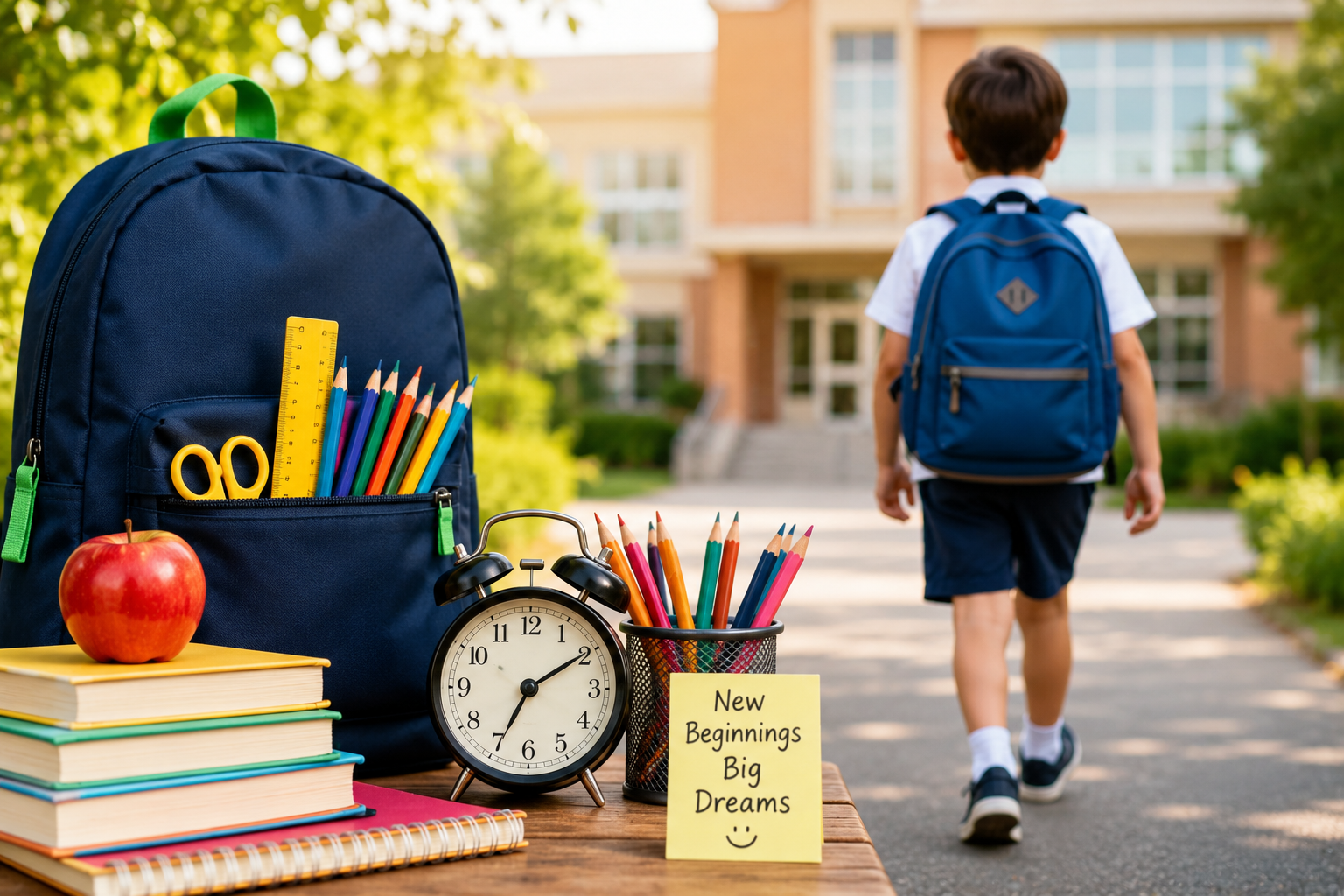
Summer vacation is often the highlight of a child’s year. Late wake-up times, endless play, family trips, and freedom from homework create lasting memories. However, when vacation comes to an end, returning to school can be challenging for both children and parents.
Many students struggle to adjust back to early mornings, structured routines, academic responsibilities, and social interactions. The good news is that a smooth transition is possible with proper planning and support.
In this guide, we’ll explore practical back-to-school tips that can help children return to the classroom feeling confident, motivated, and ready to learn.
Why Returning to School Can Be Challenging
After several weeks of relaxed schedules, children often experience difficulty adapting to school routines. Common challenges include:
- Irregular sleep schedules
- Increased screen time
- Reduced academic engagement
- Anxiety about a new class or teacher
- Separation anxiety in younger children
- Difficulty concentrating
Parents who proactively prepare their children for the new school year can significantly reduce stress and improve the transition experience.
1. Reset Sleep Schedules Early
One of the biggest adjustments after summer vacation is waking up early.
Many children stay up late during holidays, making the first week of school particularly difficult. Experts recommend gradually shifting bedtime and wake-up times at least one to two weeks before school starts.
Tips:
- Move bedtime earlier by 15–20 minutes each night.
- Limit screen usage before bed.
- Establish a relaxing bedtime routine.
- Encourage consistent wake-up times.
A well-rested child is more likely to focus and perform better in school.
2. Reintroduce Learning Activities
Academic skills can decline during long breaks, often referred to as the “summer slide.”
You can help children ease back into learning by introducing educational activities before school begins.
Ideas:
- Reading books together
- Practicing math problems
- Educational games
- Writing short journal entries
- Science experiments at home
The goal isn’t to create pressure but to reactivate learning habits.
3. Organize School Supplies in Advance
Last-minute shopping often creates unnecessary stress.
Prepare a checklist that includes:
- School bags
- Notebooks
- Pens and pencils
- Water bottles
- Lunch boxes
- Uniforms
- Shoes
Allowing children to participate in selecting and organizing their supplies can increase excitement about returning to school.
4. Limit Screen Time
Many children spend significantly more time on mobile phones, tablets, gaming consoles, and television during vacations.
As school approaches:
- Establish daily screen-time limits.
- Encourage outdoor activities.
- Introduce hobbies such as drawing, reading, or sports.
- Create device-free periods during the day.
Reducing screen dependency can improve concentration and sleep quality.
5. Talk About School Positively
Children often mirror their parents’ attitudes.
Instead of focusing on the end of vacation, emphasize positive aspects of returning to school:
- Meeting friends again
- Learning new things
- Participating in sports
- School events and activities
- Making new memories
Positive conversations help build anticipation instead of anxiety.
6. Address Back-to-School Anxiety
It’s normal for children to feel nervous about returning to school.
Signs of anxiety may include:
- Irritability
- Difficulty sleeping
- Stomach aches
- Excessive worry
- Mood changes
How Parents Can Help
- Listen without judgment.
- Validate their feelings.
- Discuss specific concerns.
- Share your own childhood experiences.
- Reassure them that nervousness is normal.
Open communication can make a huge difference.
7. Establish Healthy Eating Habits
Summer vacations often involve irregular eating patterns and extra treats.
Before school begins:
- Reintroduce balanced meals.
- Include fruits and vegetables.
- Ensure adequate hydration.
- Prepare healthy lunch options.
- Avoid excessive sugary snacks.
Proper nutrition supports energy levels, concentration, and overall health.
8. Create a Study-Friendly Routine
Children thrive when they know what to expect.
A predictable routine can include:
- Fixed wake-up time
- School preparation
- Homework schedule
- Playtime
- Family time
- Bedtime
Consistency helps reduce stress and improves time management skills.
9. Encourage Physical Activity
Physical activity supports both physical and mental well-being.
Encourage:
- Cycling
- Walking
- Outdoor games
- Swimming
- Sports activities
Exercise can boost mood, reduce anxiety, and improve focus in the classroom.
10. Set Realistic Goals for the New School Year
The beginning of a new academic year provides an excellent opportunity to set achievable goals.
Examples include:
- Reading more books
- Improving handwriting
- Completing homework on time
- Learning a new skill
- Participating in extracurricular activities
Goals should be realistic, age-appropriate, and focused on growth rather than perfection.
Real-Life Example: How One Family Made the Transition Easier
Rohan, a 10-year-old student, spent most of his summer vacation playing video games and sleeping late. As the school reopening date approached, his parents noticed he was becoming anxious about returning to class.
Two weeks before school started, they gradually adjusted his bedtime, reduced screen time, encouraged daily reading, and involved him in shopping for school supplies.
By the first day of school, Rohan felt more prepared and excited rather than stressed. His parents reported a smoother transition compared to previous years.
This example highlights how small, consistent changes can make a significant impact.
Common Mistakes Parents Should Avoid
Many parents unintentionally make the transition harder by:
- Waiting until the last minute to prepare
- Suddenly enforcing strict routines
- Comparing children with others
- Ignoring signs of anxiety
- Overloading children with academic work
A balanced approach is often the most effective.
Benefits of a Smooth Back-to-School Transition
When children return to school feeling prepared, they are more likely to:
- Adapt quickly to routines
- Focus better in class
- Build confidence
- Develop positive learning habits
- Experience less stress
- Enjoy the new school year
Final Thoughts
The end of summer vacation doesn’t have to be stressful. With thoughtful preparation, parents can help children transition smoothly from holiday mode to school mode.
By focusing on healthy routines, emotional support, proper sleep, and positive encouragement, families can set the stage for a successful and enjoyable academic year.
Remember, every child adjusts differently. Patience, consistency, and understanding are the keys to helping them thrive as they begin a new chapter in their educational journey.
Frequently Asked Questions (FAQs)
1. How early should parents start preparing children for school after summer vacation?
Ideally, parents should begin adjusting routines one to two weeks before school reopens.
2. How can I reduce my child’s back-to-school anxiety?
Listen to their concerns, maintain open communication, and focus on positive aspects of returning to school.
3. What is the summer slide?
The summer slide refers to the learning loss that some students experience during long school breaks.
4. How much sleep does a school-age child need?
Most school-age children require between 9 and 12 hours of sleep per night.
5. Why is limiting screen time important before school starts?
Excessive screen time can affect sleep quality, concentration, and daily routines.
6. What are the most important back-to-school essentials?
School supplies, uniforms, healthy routines, and emotional readiness are all important for a successful transition.
7. How can parents motivate children for the new school year?
Set achievable goals, celebrate small successes, and maintain a positive attitude toward learning.




Comments