

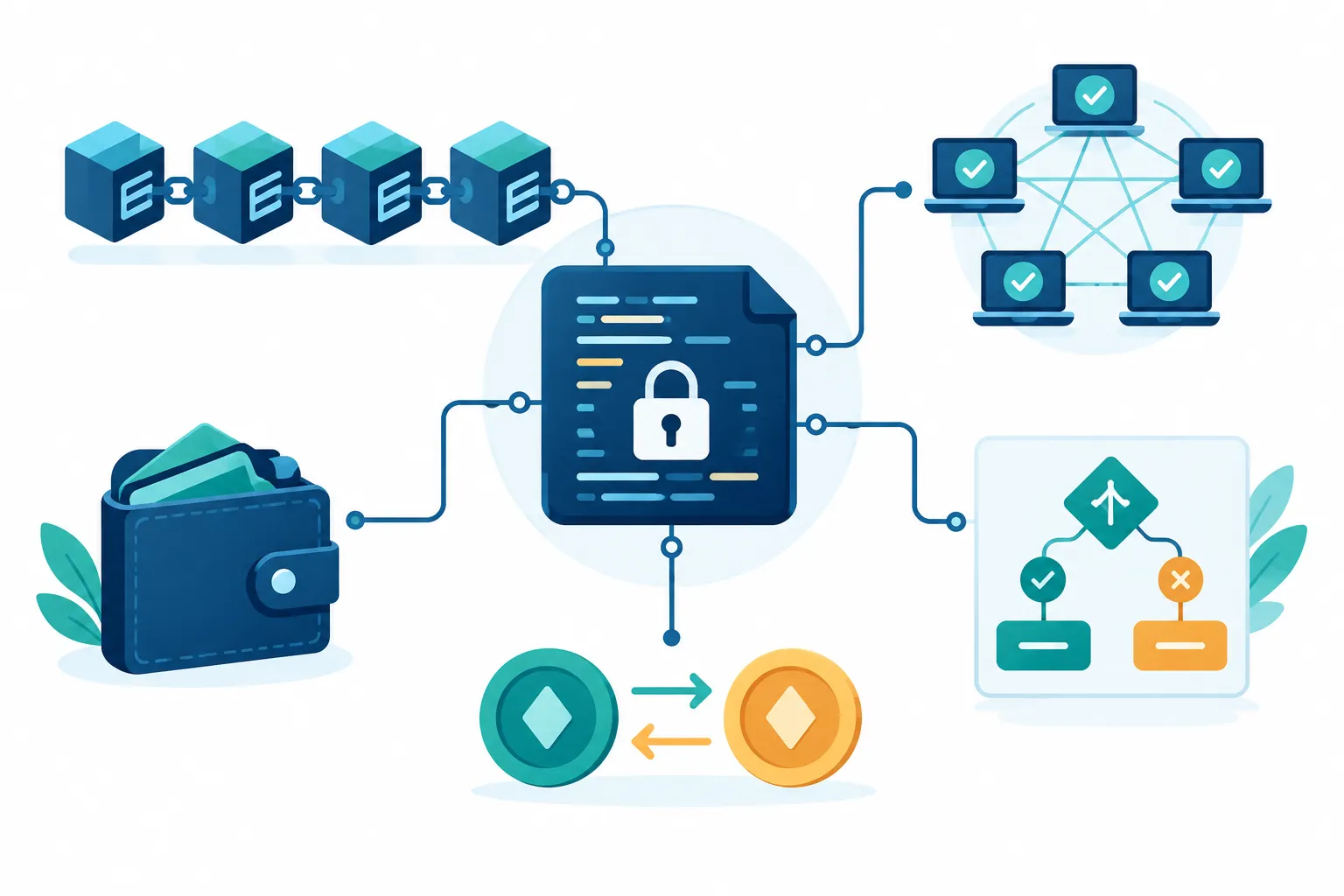
Smart contracts are computer programs stored and executed on a blockchain. They follow programmed instructions, such as transferring a digital token when specific conditions are met. Despite the name, a smart contract is not automatically a legally enforceable contract, and it cannot judge whether an outcome is fair. Its behaviour depends on its code, the information it receives and the rules of the blockchain network.
Introduction
If you are learning about cryptocurrency, you may come across the term “smart contract” very quickly. Smart contracts power many blockchain-based services, including token exchanges, digital collectibles, lending applications and blockchain games.
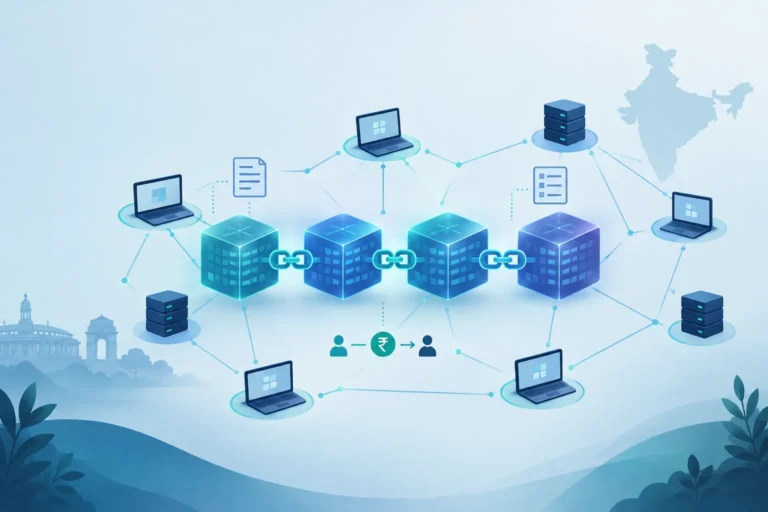
But what are smart contracts in practical terms? They are programs that run on a blockchain network. Instead of relying on one company’s private server to process an instruction, participating computers on the network verify and execute the programmed rules.
This does not make every smart contract intelligent, safe or legally binding. The word “smart” mainly refers to automation. A smart contract normally does only what its code allows it to do. If the code is faulty, the input is wrong or a user interacts with the wrong contract, the blockchain may still execute the resulting instruction.
Smart contracts are easier to understand after learning basic concepts such as blocks, transactions, wallets and network validation. For that background, readers can refer to the supporting explainer, What Is Blockchain Technology? How It Works and Its Real-World Uses. The broader context of crypto assets, wallets and Indian considerations is covered in the pillar guide, Cryptocurrency in India: A Complete Beginner’s Guide to Crypto.
What Smart Contracts Are and How They Work
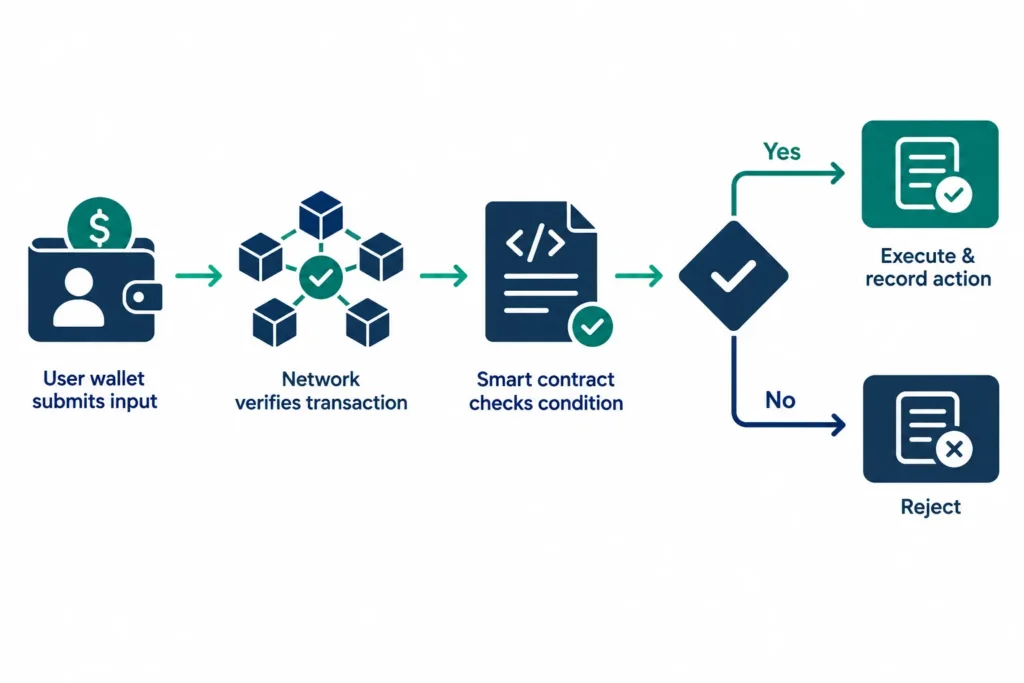
A smart contract is a computer program deployed to a blockchain. It contains rules that define what users can do, what information the program will accept and what result it will produce.
For example, a simple smart contract could be programmed to transfer a particular token only after it receives the required payment. If the stated conditions are satisfied, the program processes the instructed action. If they are not satisfied, it may reject the request or leave the assets where they are.
The exact result depends on the code. A smart contract does not understand the intention behind a transaction in the way a person might. It applies its programmed rules.
The Vending-Machine Analogy
A vending machine offers a useful beginner-level analogy. The machine displays products and prices. You choose an item and provide the required money. If your selection is available and the payment is sufficient, the machine releases the product. If a condition is not met, it may refuse the purchase or return the money.
A smart contract follows a similar conditional structure:
- Condition: A defined requirement must be satisfied.
- Input: A user or another system provides an instruction or value.
- Function: The program applies its rules to the input.
- Output: It records a result, rejects the request or performs an action.
The analogy has limits. A physical vending machine is controlled by its operator and local hardware. A blockchain smart contract is executed under the rules of a distributed network. Its actions may involve digital assets, and confirmed results can be difficult or impossible to reverse.
A Practical Digital Example
Suppose Asha wants to obtain 100 units of a blockchain token. A smart contract could define that 100 units will be sent to her wallet only if it receives the required amount of another supported digital asset.
Asha submits a blockchain transaction to interact with the contract. The transaction identifies the requested function and includes the required input. The network processes the transaction and checks the smart contract’s rules.
If the conditions are met and the contract has the necessary tokens, it can transfer 100 units to Asha’s wallet. The blockchain then records the resulting changes. If Asha sends an insufficient amount, uses an unsupported asset or requests more tokens than the contract can provide, the transaction may fail or be rejected according to the code.
This example shows why users should examine more than the promised outcome. They should also check the contract address, the application they are using, the assets involved and the transaction details shown by their wallet. Sending funds to the wrong address or approving a harmful instruction can lead to a permanent loss.
Smart Contracts and Written Contracts Are Different
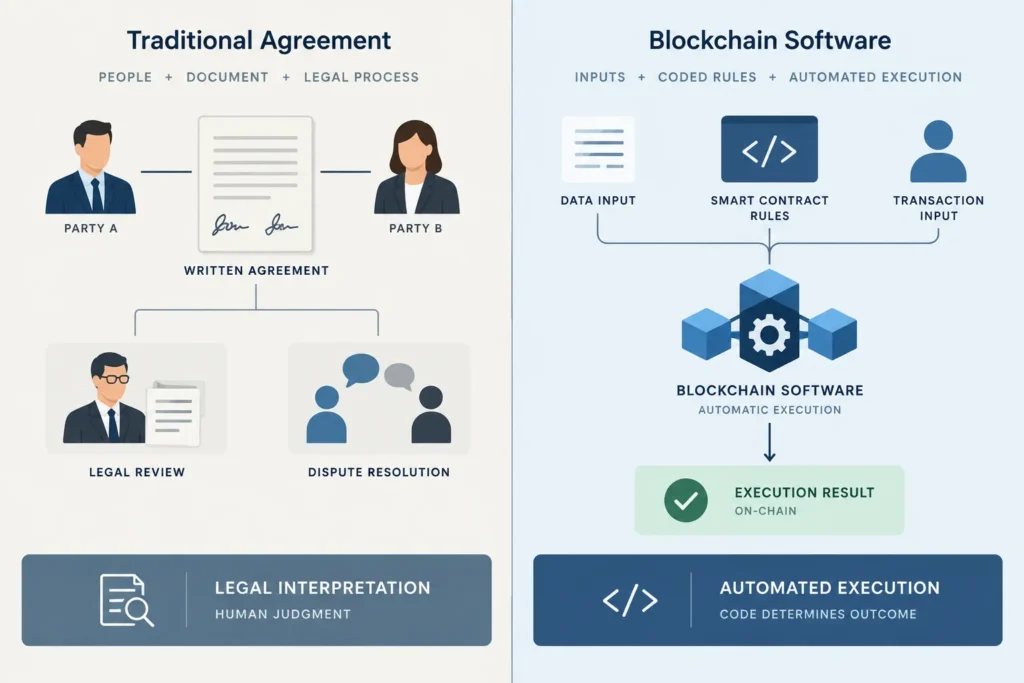
A traditional contract is an agreement between parties. It may describe rights, duties, payment terms, dispute procedures and remedies. Courts and other legal processes may consider the wording, applicable law, evidence and circumstances when deciding whether the agreement is enforceable.
A smart contract is primarily software. It executes programmed instructions on a blockchain. Calling the program a “contract” does not automatically give it the same legal status as a properly formed written agreement.
A blockchain can show that a wallet submitted a transaction and that the network processed it. That record alone may not answer important legal questions, such as who controlled the wallet, whether valid consent existed, whether a person had legal capacity, or whether the arrangement complied with Indian law.
Blockchain execution also does not guarantee fairness. Code could favour one party, contain a hidden administrator function or produce an unintended result. A program may execute exactly as written even when users misunderstand its rules.
Conditions, Inputs, Functions and Outputs
Smart contract behaviour can be understood through four basic parts, without reading programming code.
- Conditions are requirements specified by the program, such as whether a deadline has passed or a wallet holds a particular token.
- Inputs are the information and instructions provided to the contract. These may include a token amount, wallet address or selected action.
- Functions are available operations, such as transferring a token, recording a vote or checking a balance.
- Outputs are the resulting actions or records, such as an updated balance, a token transfer or a failed transaction.
Some functions only read blockchain information and do not change its state. Others change balances or stored records and therefore require a transaction to be processed by the network.
The Basic Smart Contract Lifecycle
- Writing: Developers define the contract’s rules using a programming language supported by the chosen blockchain.
- Testing: They test expected and unexpected situations, often using local tools or a blockchain test network. Security reviews may also be conducted.
- Deploying: A deployment transaction places the compiled program on the blockchain. Once confirmed, the contract receives an address through which users and applications can find it.
- Interacting: Users, applications or other contracts call its functions. An interaction that changes blockchain records usually requires a transaction.
Testing can reduce risk, but it cannot prove that a contract is free from every vulnerability. Some contracts can be upgraded through administrator-controlled mechanisms, while others are designed to remain unchanged after deployment. Users should not assume that every deployed contract is permanently fixed or fully decentralised.
Ethereum Transactions, Execution and Gas Fees
Ethereum is a widely used example of a blockchain that supports smart contracts. When a user wants to perform an action that changes Ethereum’s records, the user signs and submits a transaction through a wallet.
The Ethereum network processes the transaction and executes the relevant smart contract instructions. Participating network computers apply the same protocol rules so that they can agree on the result.
This computation is not free. On Ethereum, users generally pay a network charge called a gas fee. Gas measures the computational work associated with processing an operation. The amount paid can depend on the work required and current network conditions.
A gas fee is separate from the amount being transferred or exchanged. A failed transaction may still consume gas because the network performed computational work before determining that the operation could not be completed.
Other blockchains may use different terms, fee models and execution systems. Their transaction speed, costs, confirmation process and smart contract behaviour can also differ. Ethereum terminology should therefore not be assumed to apply identically to every network.
Why Smart Contracts Need Oracles
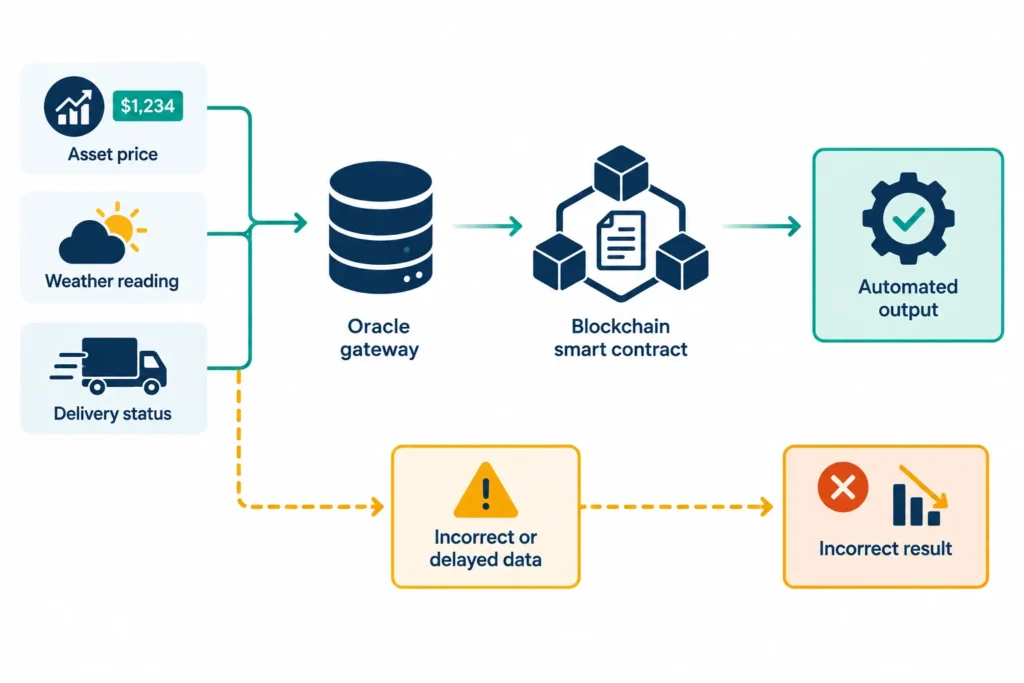
A smart contract can directly read information already available on its blockchain. However, it cannot inherently know what happened in the outside world.
For example, a contract cannot independently confirm today’s rupee price of an asset, the result of a cricket match or whether heavy rainfall occurred in a particular district. That information must be introduced through an external mechanism.
An oracle supplies or helps verify off-chain information for blockchain applications. A contract may use oracle data to decide whether a programmed condition has been met.
This creates an additional dependency. If the oracle provides incorrect, delayed or manipulated information, the smart contract may produce an incorrect result while still following its code. Users should therefore consider not only the contract itself, but also the external data sources and control mechanisms on which it relies.
Uses, dApps and Potential Advantages
To understand what are smart contracts used for, it helps to see them as building blocks. A single smart contract may perform a narrow task, such as transferring a token or checking whether a loan has enough collateral. Several contracts can also work together to support a larger blockchain application.
These user-facing applications are often called decentralized applications, or dApps. They can offer services such as crypto trading, lending, digital collectibles and blockchain games. However, “decentralized” does not always mean that every part of the application operates without a company, website or service provider.
How Smart Contracts Power dApps
A dApp usually has a familiar interface with buttons, menus and account information. Behind that interface, it connects to one or more smart contracts deployed on a blockchain.
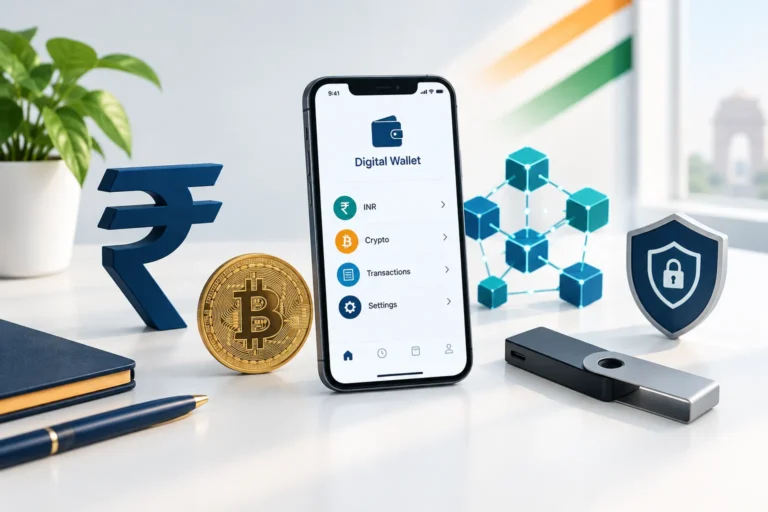
The user generally connects a compatible crypto wallet instead of creating a conventional account with a password. The wallet does not simply hold crypto assets. It also allows the user to review and approve blockchain transactions.
A typical interaction may work like this:
- The user opens a dApp and connects a crypto wallet.
- The dApp reads relevant public information from the blockchain, such as token balances or current contract terms.
- The user selects an action, such as exchanging one token for another.
- The wallet displays a transaction approval request, including an estimated network fee where applicable.
- After the user approves it, the transaction is submitted to the blockchain.
- The smart contract checks its programmed conditions and either completes or rejects the action.
For example, an Indian user may connect a wallet to a token exchange dApp. The website provides the visible interface, while smart contracts manage the exchange rules and asset movement. The blockchain records the completed transaction.
Users should still examine what they are approving. A wallet request may grant permission to spend a particular amount of a token, or it may request broader access. A polished dApp interface does not prove that its underlying contracts are safe.
Token Transfers and Automated Payments
Smart contracts can issue and manage blockchain-based tokens. Their programmed rules may record balances, process transfers and control how many units can be created.
They can also support conditional payments. For instance, a contract could release a payment after a specified blockchain event occurs. This may reduce the need for a person to process each payment manually.
However, a contract cannot independently confirm many real-world events. If payment depends on an off-chain activity, such as delivery of goods, the contract needs a reliable way to receive that information.
Decentralized Exchanges
Decentralized exchanges, commonly called DEXs, use smart contracts to let users exchange crypto tokens from their own wallets. Unlike a conventional exchange account, users generally do not deposit assets with a central platform before every trade.
The contract may calculate the exchange rate using tokens deposited into liquidity pools. Other designs may match trading orders differently. In either case, the rules are written into blockchain programs.
This does not remove every risk or intermediary. A DEX may still depend on a website, wallet software, blockchain validators, liquidity providers and development teams. Users may also face changing prices, network fees, low liquidity, fraudulent tokens or vulnerable contract code.
Lending and Other DeFi Applications
Decentralized finance, or DeFi, refers to blockchain applications that attempt to provide financial services through smart contracts. Lending applications are a common example.
A borrower may deposit crypto assets as collateral and receive another token as a loan. The smart contract can monitor the collateral value, calculate interest according to its rules and trigger liquidation if the collateral falls below the required level.
This automation can make the process available without a bank employee approving each transaction. It does not mean the loan is risk-free. Crypto collateral prices can change quickly, and liquidation may happen automatically. Contract bugs, manipulated price data and governance changes can also cause losses.
DeFi arrangements are not necessarily equivalent to Indian bank deposits, fixed deposits or regulated lending products. Their legal protections, complaint channels and risk structures may be very different.
Digital Collectibles and NFTs
Smart contracts are also used to create non-fungible tokens, or NFTs. Each NFT can have a distinct token identifier, which allows it to represent a specific digital item or record.
The contract may handle ownership transfers and define whether new tokens can be created. A marketplace can then use these contracts to support buying and selling.
Owning an NFT does not automatically provide copyright, commercial rights or permanent access to the associated image or file. Those rights depend on the project’s terms and applicable law. Some NFT data may also be stored outside the blockchain, creating additional dependence on external services.
Blockchain Games
Blockchain games may use smart contracts to manage in-game tokens, collectible characters, virtual land or other items. Players might be able to hold these assets in their wallets and transfer them between supported applications.
Some game actions may occur directly on the blockchain, while routine gameplay happens on conventional servers to reduce cost and improve speed. Therefore, a blockchain game is not always fully decentralized.
Game assets can lose value, and access may depend on the continued operation of the game, its website or related storage systems. Players should treat claims about earning money with caution.
Supply-Chain Workflows
Businesses may use smart contracts to coordinate steps in a supply chain. A contract could record that goods passed a checkpoint, update their status or trigger a payment after delivery is confirmed.
Consider an Indian business receiving a shipment from another state. A blockchain workflow might record dispatch, warehouse receipt and final delivery. Once an approved data source reports successful delivery, a contract could start the payment process.
The blockchain record can make programmed steps easier for authorised participants to review. But it cannot prove that the original information was correct. If someone enters a false delivery update, the smart contract may consistently act on that false input.
Why Smart Contracts Need Oracles
Blockchains are good at checking information already available on their networks. They cannot directly observe an outside market price, rainfall level, courier update or sports result.
An oracle supplies such external data to a smart contract. Depending on the application, an oracle may provide:
- Crypto or other asset prices for a lending application.
- Delivery confirmation for a supply-chain payment.
- Weather data for a conditional financial product.
- Results of an event used to settle an agreement.
Oracles solve an important practical problem, but they introduce another source of risk. Incorrect, delayed or manipulated data can make a smart contract execute an unwanted action. If a lending application receives an inaccurate price, for example, it might liquidate collateral incorrectly.
Some systems collect information from multiple sources instead of trusting one provider. This can reduce dependence on a single source, but it does not guarantee that the data will always be accurate or available.
Potential Advantages of Smart Contracts
Smart contracts can offer useful advantages when their code, data sources and surrounding systems are properly designed.
- Automation: A contract can perform specified actions after its conditions are met, reducing repetitive manual processing.
- Transparent programmed rules: On public blockchains, contract code and transaction history may be open for inspection. However, understanding complex code may require specialist knowledge.
- Consistent execution: The same programmed conditions are applied to transactions. This consistency also means that coding errors can be applied consistently.
- Reduced dependence on some intermediaries: Users may interact directly with blockchain programs instead of asking an organisation to process every step.
- Composability: Developers can connect compatible contracts to create broader Web3 and DeFi services.
These are potential advantages, not guarantees. Smart contracts do not remove the need to trust every outside party. Users may still rely on developers, wallet providers, oracle operators, interface hosts and blockchain participants.
They also do not guarantee fair terms, accurate data or secure code. A contract can execute exactly as written even when the programmed outcome is harmful or unexpected. For beginners, the key lesson is that smart contracts can automate rules, but their usefulness depends on the quality of those rules and the systems around them.
Risks, Safety Checks and Frequently Asked Questions
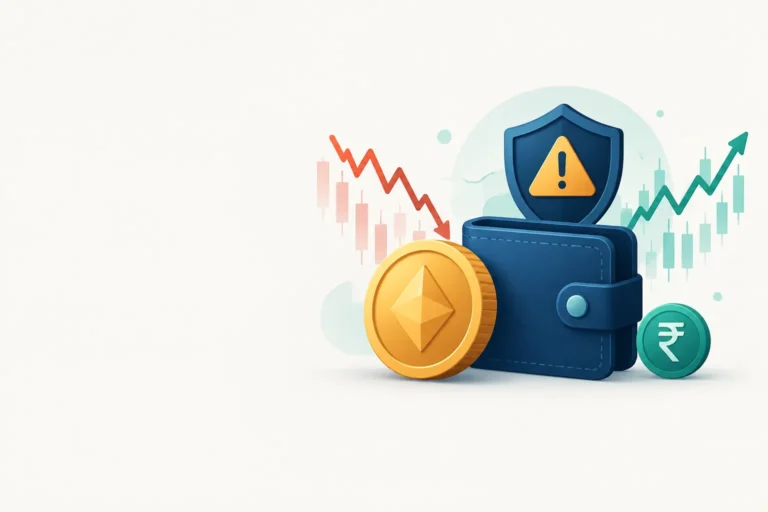
Smart contracts can automate useful transactions, but they are not automatically safe. They are software, so errors in the code, poor design and dishonest operators can put users’ crypto assets at risk.
Before using any smart contract, understand what it will do, which permissions it requests and whether the people controlling it can change its behaviour.
Programming Errors and Security Vulnerabilities
A small coding mistake can produce serious financial consequences. A smart contract may calculate an amount incorrectly, allow the same action more than once or fail to check whether a caller has the required permission.
Attackers actively search for such vulnerabilities. If they find one, they may be able to withdraw tokens, manipulate prices or block other users from accessing funds. Blockchain transactions are generally difficult to reverse, so recovering stolen assets may be impossible.
Even a correctly written contract can be exposed through its connections to other contracts. For example, a decentralised finance application may depend on a token contract, a liquidity pool and a price service. A weakness in any one of them can affect the entire application.
Transaction Fees, Congestion and Scalability
Using a smart contract normally requires a blockchain transaction fee. This fee pays the network participants who process and confirm the transaction. It is separate from any fee charged by the application itself.
Fees can rise when many people are using the network. A simple token transfer may cost less than a complicated smart contract interaction because complex operations require more computation.
Congestion can also delay confirmation. A transaction with a low fee may remain pending, while a failed transaction may still consume a fee because the network performed work before the failure occurred.
Some networks and scaling systems offer faster or cheaper transactions, but they may have different security assumptions, withdrawal procedures and operational risks. Always check that your wallet is connected to the intended network before approving an action.
Dependence on Oracles and External Services
A blockchain cannot directly know an off-chain fact, such as the current rupee price of an asset, the result of a cricket match or whether a shipment arrived. Smart contracts often depend on services called oracles to provide such information.
If an oracle sends incorrect, delayed or manipulated data, the contract may execute an unwanted result even when its own code works as designed. Applications may also rely on websites, servers, cross-chain bridges or cloud-based interfaces that can fail or be compromised.
The screen shown by an application is not the smart contract itself. A misleading or hacked interface may display one action while asking your wallet to approve another. This is why the details in the wallet prompt matter.
Can Developers Change a Smart Contract?
Some smart contracts are designed to be difficult or impossible to change after deployment. This can reduce the risk of an operator quietly changing the rules, but it also makes programming errors harder to fix.
Other projects use upgrade mechanisms or proxy designs. In these arrangements, the stored assets or contract address may stay the same while authorised parties replace or modify parts of the underlying logic.
Administrator permissions may also allow a person or group to pause activity, change fees, add supported assets, block certain addresses or alter important settings. Such powers can help teams respond to emergencies, but they introduce dependence on whoever controls the administrator keys.
Where information is available, check who holds these powers. Control by one wallet is generally more concentrated than control requiring approval from several independent signers. However, even a multi-signature arrangement does not remove every risk.
Scams and Common Warning Signs
Fraudsters often use smart contract language to make an ordinary scam appear technical or trustworthy. A contract being visible on a blockchain does not prove that the project is genuine.
Be cautious if you notice any of these warning signs:
- Guaranteed returns or claims that losses are impossible.
- Pressure to invest, connect a wallet or claim a reward immediately.
- A copied website with a slightly different name or design.
- Links sent by unknown people through social media, messaging apps or email.
- An unclear team, vague purpose or no reasonable explanation of how returns are generated.
- An unexpected wallet request that appears after opening a website.
- A request for unlimited access to valuable tokens when only a small amount is needed.
- A demand for your wallet recovery phrase, private key or screen-sharing access.
No legitimate smart contract requires you to disclose your recovery phrase. Anyone who obtains it can usually control the wallet and transfer its assets.
Token Allowances and Unlimited Approvals
Many decentralised applications need permission to use a token from your wallet. This permission is called a token allowance or approval.
For example, if you want to exchange ₹5,000 worth of a token, the application may ask for permission to spend that token. The approval transaction usually happens before the exchange transaction.
Some applications request an unlimited allowance so that users do not need to approve the token again. This may be convenient, but it creates additional risk. If the approved contract is malicious or later exploited, it may be able to take more tokens than you originally intended to use.
Choose a limited allowance where the wallet or application provides that option. Review existing approvals periodically and revoke permissions that are no longer required. Revoking an approval is itself an on-chain transaction and may require a network fee.
Read every wallet prompt before signing. Check the network, token, amount, contract address and requested permission where these details are displayed. Reject the request if the information is unexpected or unclear.
Checklist Before Interacting With a Smart Contract
- Verify the application. Confirm that you are using the genuine application rather than a copied website or unknown link.
- Check the network. Make sure your wallet is connected to the correct blockchain. Tokens with similar names may exist on several networks.
- Understand the purpose. Know what the contract is supposed to do and how your funds can enter or leave it.
- Research its reputation. Look for clear documentation, a known history and credible discussion from independent sources.
- Inspect wallet permissions. Check whether the contract requests a specific amount, unlimited token access or another powerful permission.
- Review administrator powers. Where possible, find out who can pause, upgrade or change the contract.
- Look for independent security audits. Check whether the relevant contract version was reviewed and whether serious findings were addressed.
- Start cautiously. If you decide to proceed, consider testing with a small amount before committing more funds.
A security audit can identify known weaknesses and reduce uncertainty, but it cannot guarantee safety. Auditors may miss a vulnerability, the code may change after the review, or an external service may later fail.
Never approve a transaction you do not understand. If a wallet prompt is confusing, cancel it and research the request first. A broader cryptocurrency risks guide can help beginners assess related threats such as exchange failures, phishing, wallet theft and market volatility.
Frequently Asked Questions
What are smart contracts?
Smart contracts are programs stored and executed on a blockchain. They follow coded rules and can perform actions, such as transferring tokens, when specified conditions are met. They do not independently judge whether an outcome is fair or lawful.
Are smart contracts legally binding?
A smart contract is not automatically a legally enforceable contract merely because it runs on a blockchain. Legal enforceability depends on factors such as offer, acceptance, lawful purpose, capacity, applicable law and available evidence.
In India, the legal position can depend on the facts and the nature of the transaction. Blockchain code may form part of an agreement or help execute one, but it does not replace all legal requirements. Seek qualified legal advice for a significant arrangement.
Can a smart contract be changed?
It depends on its design. Some contracts are intended to remain unchanged. Others use proxy contracts, upgrade mechanisms or administrator permissions that allow authorised parties to modify logic or settings. Users should check whether such powers exist and who controls them.
Are smart contracts safe?
They can work reliably when properly designed, tested and used, but none should be assumed to be risk-free. Coding errors, attacks, compromised administrator keys, faulty oracles, misleading interfaces and excessive permissions can all cause losses. An audit is useful but is not a safety guarantee.
Why do smart contract transactions require fees?
Blockchain networks charge fees for processing, executing and recording transactions. More complex smart contract actions may require more computation and therefore cost more. Fees can also increase during network congestion, and a failed transaction may still incur a charge.
Summary
Smart contracts automate blockchain actions, but users must consider technical, operational and scam risks. Check the application and network, understand administrator powers, review token allowances and read every wallet prompt. Avoid unnecessary unlimited approvals, never reveal your recovery phrase and do not sign transactions you cannot explain. Careful checks reduce risk, but they cannot remove it completely.
Comments